The state of video advertising in 2026, in two facts.
86% of ad buyers said they were using or planning to use generative AI to build video ad creative (IAB). And brands started hiring people whose job is to film proof that their ads were made by humans (Marketplace, 2026).
Same industry. Same year. What a world we live in.
The obvious read is wrong
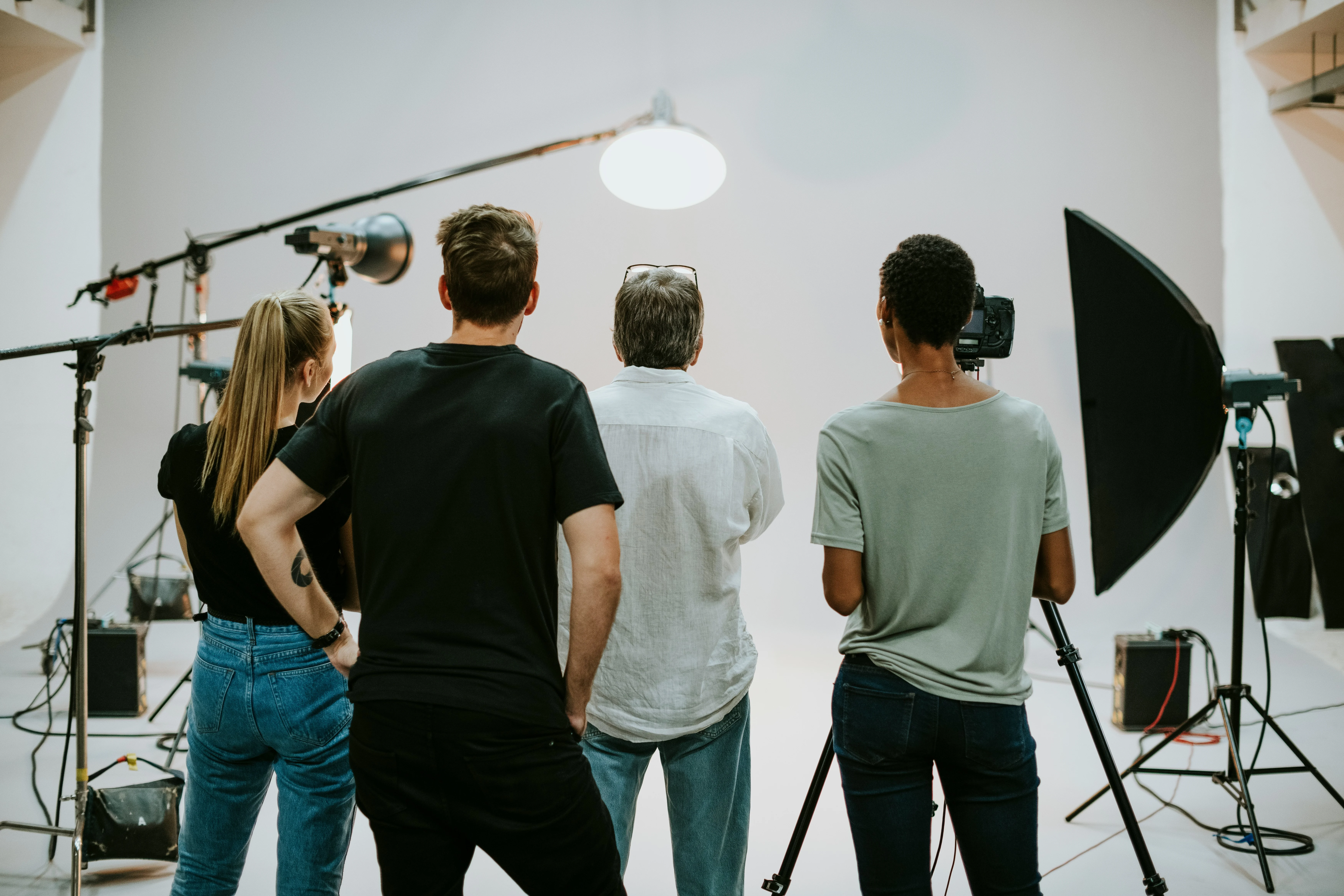
The easy interpretation is that behind the scenes footage is a defensive move. Insurance against getting accused of using AI. Post the making-of, prove there were humans on set, avoid the comments.
That is a bad reason to make it, and the footage made for that reason is always terrible. It looks exactly like what it is: a compliance document with a camera pointed at it.
The reason it actually works is older than any of this.
Process is the proof people were always looking for
Before AI, before social, before any of it, the way people decided whether to trust a company was by getting a look at how it operates. The kitchen you can see into. The shop floor. The person who shows up and clearly knows what they are doing.
Finished work hides all of that. A polished 30-second spot tells you a brand can afford a polished 30-second spot. That is it. Process footage tells you what they care about, how they make decisions, who is in the room, whether anybody sweated the details.
That is why the making-of often outperforms the ad. It is not a bonus asset. It is frequently the more persuasive one.
What to actually shoot
We have made a lot of this for clients over the past two years, and the stuff that works has almost nothing in common with what people expect.
Show a decision, not a montage
Nobody cares about time-lapse of a crew setting up lights. What lands is someone saying "we tried it the other way first and it did not work, here is why." That is a real look inside the judgment. The montage is just b-roll with a soundtrack.
Keep the mistake in
The take that failed. The client note that changed the whole concept. The thing that broke on set. Polish is the enemy here, because the entire value of the format is that it looks like something you were not supposed to see.
One person, talking normally
Not a spokesperson. The person who actually did the work, explaining what they did, in the way they would explain it to a friend. Vertical, handheld, unlit is fine. Better than fine.
Ninety seconds, not eight minutes
The documentary version is a different project. This is a short clip that answers one question: what went into this.
The part that stops it from being a gimmick
Here is the honest catch. If your process is not actually interesting, filming it will not save you.
Behind the scenes footage of a team that phoned it in looks like a team that phoned it in. The format is unforgiving that way, which is sort of the point. You cannot fake craft in a clip about craft.
So the real question the trend is asking is not "should we film our process." It is "is our process worth filming." Plenty of shops would fail that test and know it.
You cannot fake craft in a video about craft. That is the whole reason it works.
Where AI fits in the same workflow
We still use it. Rough cuts, transcription, subtitle passes, storyboard frames, cutting a 40-minute interview down to the six usable minutes. Nobody has ever been upset about any of that, because none of it is the part they are watching.
The line that has held up: AI is fine anywhere it speeds up work a person already decided to do. It causes problems when it stands in for the person.
Audiences who knew upfront that an ad was AI-generated were not less likely to engage with it, provided the creative was relevant and well made (IAB, 2026). The discomfort centers on deception and on emptiness, not the tool.
What we would do first
If you are shooting anything this quarter, add one thing to the call sheet. Someone with a phone, capturing the moments where a real decision gets made or something goes sideways.
It costs almost nothing, it takes no extra crew, and more often than not it becomes the piece that people actually watch.